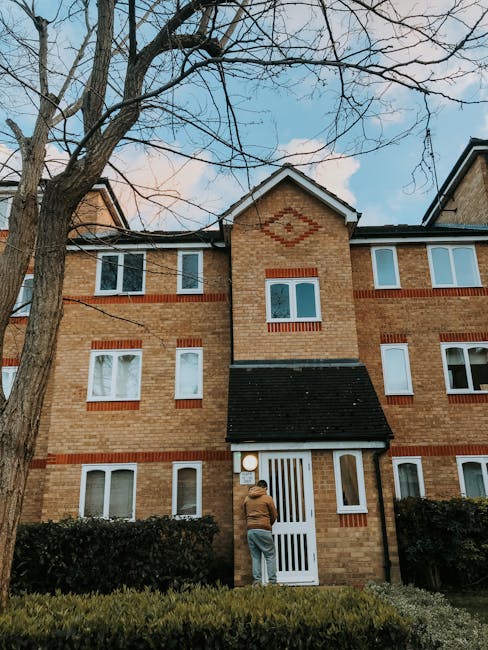
Grahame Park estate man and van access guide for removals
If you are planning a move on Grahame Park Estate, access is often the bit that makes or breaks the day. The flat may be ready, the boxes may be packed, and the van may be booked, but one awkward turning circle, a tight estate road, or a blocked entrance can add stress fast. This Grahame Park estate man and van access guide for removals is here to make the process calmer and far more predictable.
In practice, the best removals on estates like Grahame Park are not the ones with the biggest vehicle. They are the ones where the access plan is thought through properly: where the van can stop, how far items need to be carried, whether there is enough room to load safely, and what to do if the weather turns or the lift is busy. Sounds simple. It often isn't. But once you understand the access points, you can save time, avoid damage, and keep everyone in a better mood on moving day.
This guide walks you through the real-world details: how estate access typically works, what to check in advance, common bottlenecks, useful packing and timing tips, and when a standard man and van service is enough versus when a larger removal setup makes more sense. If you want to compare service types as you go, you may also find removal services and flat removals useful to look at alongside this page.
Table of Contents
- Why Grahame Park estate man and van access guide for removals matters
- How Grahame Park estate man and van access guide for removals works
- Key benefits and practical advantages
- Who this is for and when it makes sense
- Step-by-step guidance
- Expert tips for better results
- Common mistakes to avoid
- Tools, resources and recommendations
- Law, compliance, standards, or best practice
- Options, methods, or comparison table
- Case study or real-world example
- Practical checklist
- Conclusion
- Frequently Asked Questions
Why Grahame Park estate man and van access guide for removals Matters
Estate removals are a different animal from a simple house move. On Grahame Park Estate, access can be shaped by narrow internal roads, parking limitations, shared entrances, controlled bays, lift access, or a long walk from the van to the front door. That extra distance matters more than people expect. A move that looks straightforward on paper can become a stop-start job if the vehicle cannot get close enough to the property.
Why does this matter so much? Because removals are really about flow. The quicker you can move items from the property to the vehicle, the less risk there is of knocks, fatigue, and delays. One broken rhythm - a lift taking too long, a van parked too far away, a door that keeps self-closing - can spread through the whole day. Truth be told, that is where most moving-day frustration comes from.
There is also a trust element. If you give a mover clear access information up front, they can choose the right vehicle, the right crew size, and the right timing. That improves the chances of an on-time start and a smoother finish. It also helps with safety, which is not a small thing when you are carrying heavy furniture through shared spaces.
Expert summary: On estate moves, good access planning is not an optional extra. It is one of the main factors that determines whether a small removal job feels easy or unexpectedly chaotic.
If you are comparing moving options, pages like removal van, removal truck hire, and moving truck can help you think through vehicle size and loading strategy before you book.
How Grahame Park estate man and van access guide for removals Works
The basic idea is simple: you assess the estate, work out how the vehicle will reach the property, and build the move around that access plan. In real terms, that means checking the things that usually catch people out - parking, entrance height, lift availability, stair access, walking distance, turning room, and any local restrictions that affect loading.
For a typical Grahame Park move, the process often looks like this:
- Pre-move review: You identify the property type, floor level, and the easiest loading point near the building.
- Vehicle selection: You decide whether a small man with van setup, a larger man and van service, or a more structured removals approach makes the most sense.
- Timing: You choose a slot that reduces friction, ideally avoiding rush periods, school-run traffic, or times when the estate is already busy.
- Loading plan: You decide which items come out first, where boxes will be stacked temporarily, and whether bulky furniture needs dismantling.
- Arrival and positioning: The vehicle stops as close as possible without blocking traffic, pedestrians, or access routes.
- Movement through the property: Items are carried carefully, with the route kept as clear as possible to avoid scuffs and delays.
That all sounds very orderly. Sometimes it is. Sometimes one parked car, an open gate, or a lift on the blink changes the plan within seconds. So a good access guide should not be rigid; it should help you adapt.
If you are moving out of a flat or a maisonette, it is worth looking at flat removals and home moves for a better sense of how room-by-room planning supports access on the day.
Key Benefits and Practical Advantages
Good access planning on Grahame Park Estate gives you more than convenience. It changes the whole tempo of the move. The benefits show up in small but important ways.
- Less carrying distance: When the vehicle can get close, each item takes less time to move and less energy to handle.
- Lower damage risk: Fewer twists, fewer door frames, fewer chances for a sofa corner to take a scrape.
- Better time control: The team spends more time loading and unloading, less time finding a parking spot or repositioning the van.
- Safer lifting: Shorter routes and smoother access reduce strain, especially with awkward or heavy furniture.
- Less neighbour friction: A tidy, well-timed move tends to be less disruptive in shared residential spaces.
- More accurate quotes: When access is clearly explained, estimates are usually more realistic from the start.
There is also the human side. People moving home are often already tired, a bit overwhelmed, and living among half-packed boxes that seem to multiply overnight. A sensible access plan removes one layer of uncertainty, and that matters more than it sounds.
For larger household moves, you may want to compare options with house removals or house removalists if you need more hands, more equipment, or more structured coordination.
Who This Is For and When It Makes Sense
This guide is especially useful if you are:
- moving from a flat, maisonette, or housing block on Grahame Park Estate;
- booking a short-distance move where access matters more than mileage;
- moving bulky items like wardrobes, beds, white goods, or sofas;
- trying to keep the move affordable by avoiding unnecessary delays;
- arranging a move with children, pets, or limited help on the day;
- working to a tight handover time and need things to run smoothly;
- comparing a simple van hire approach with a more complete removal service.
It also makes sense if you are dealing with a first-time move and do not yet know how much difference access can make. A lot of people assume the main issue is loading the van. In reality, the biggest headaches often start before that, when the vehicle cannot get into the right position in the first place.
Students, in particular, tend to benefit from a well-planned compact move. If that sounds like you, it may help to look at student removals. For business relocations or office equipment, office removals and commercial moves are the more relevant comparison points.
Step-by-Step Guidance
Here is the practical version. Not theory. The kind of process that keeps a moving day from wobbling.
1) Check the access route before the move
Walk the route from the van stop to the property entrance if you can. Look for low trees, tight corners, speed bumps, gates, uneven paving, and anything that might make a trolley awkward. On estate roads, a little observation goes a long way.
2) Measure the awkward things, not just the room
Doorways, lifts, stair turns, bed frames, and fridge-freezer dimensions matter more than people remember. If you only measure the rooms, you may still end up with a sofa that refuses to make the turn. Slightly annoying. Very common.
3) Decide where the van can stop
The best loading point is usually the one that balances closeness, safety, and permission. You do not want to block access routes, but you also do not want the crew trekking back and forth with every box. If there is a preferred loading bay, note it early.
4) Tell the mover about stairs, lifts, and split levels
This is one of the most helpful things you can do. A single flight of stairs is one thing; three floors with a turn on each landing is another. A lift helps, but only if it is available and large enough for the job. If not, plan for manual carrying.
5) Pack with access in mind
Use smaller boxes for books and heavy items, and keep fragile items cushioned and clearly labelled. If you need packing support, packing and boxes and packing and unpacking services are worth considering. It is much easier to move a box that can actually be lifted safely.
6) Load the van in a sensible order
Load the heaviest and least fragile items first, then build around them. Keep frequently needed items accessible if you are moving into temporary storage or a short split move. If something absolutely cannot go on the bottom, it probably needs its own handling plan.
7) Leave buffer time
Even a well-organised estate move can hit a delay. A parked car moves into your loading spot, the lift is busy, or someone has forgotten to put the keys in the right place. Build in breathing room. A little buffer can save a lot of stress.
Expert Tips for Better Results
Here is where the small details earn their keep.
- Send photos before moving day: A few pictures of the entrance, parking area, stairwell, and any awkward corners can be more helpful than a long description.
- Mark the heavy items early: If the mover knows which boxes contain books, tools, or kitchen gear, they can plan the load better.
- Keep corridors clear: A narrow hall plus random bags on the floor is a recipe for slow progress. Clear the route before the van arrives.
- Break down furniture where possible: Beds, table legs, and modular pieces usually travel better dismantled. It is not glamorous, but it works.
- Protect communal areas: If you are moving through shared entrances or lifts, use covers or wrap where needed. It is a small courtesy and a good habit.
- Think about weather: A wet morning can make estate pathways slippery. One damp cardboard box later, and everyone remembers why this matters.
One practical tip that gets overlooked: keep your kettle, chargers, and a small essentials bag separate. By 4pm you will be glad you did. Maybe even earlier, depending on how many cups of tea are involved.
If access looks especially tight, a bigger vehicle is not always the answer. Sometimes a smaller van parked closer to the entrance is faster than a larger truck that has to stop further away. That is why comparing man with a van with removal truck hire can be more useful than simply choosing the largest option.
Common Mistakes to Avoid
Most estate moving problems are preventable. The tricky part is that they usually feel small right up until they cost you time.
- Assuming access will be fine: If you have not checked where the vehicle can stop, you do not really know the access plan.
- Booking the wrong vehicle size: Too small and you risk multiple trips. Too large and you may create parking problems or awkward loading.
- Ignoring lift restrictions: A lift can be a huge help, unless it is out of service or too small for larger items.
- Packing heavy boxes too full: A box of books that feels "fine" in the living room can feel very different on a stairwell.
- Not warning about pets or children: Movers can work around family life, but only if they know what to expect.
- Leaving furniture assembled when it should be dismantled: That saved five minutes yesterday may cost thirty today.
There is another subtle mistake: treating every move as identical. Estate access, floor level, parking, and loading distance change the shape of the job. The more you tailor the plan, the better the result. Simple as that.
Tools, Resources and Recommendations
You do not need a mountain of gear to manage a good move. A few practical tools make a real difference.
- Measuring tape: Useful for doorways, furniture, and lift dimensions.
- Furniture blankets and wrap: Essential for protecting corners and polished surfaces.
- Trolley or sack barrow: Helpful if there is a longer carrying distance from the vehicle to the property.
- Strong labels and marker pens: Keep boxes identifiable at a glance.
- Basic toolkit: Allen keys, screwdrivers, and zip bags for fixings can save time later.
- Phone photos: A visual record of access points, parking arrangements, and furniture setup is genuinely useful.
For people who want a more complete service, it is worth comparing removal services with removal companies. The right choice depends on how much you want handled, how much lifting is involved, and whether you need help at both ends of the move.
If you are storing items temporarily because access or timing is complicated, storage can be part of the solution. That is especially handy where keys, handover times, or decorating delays create a gap between moving out and moving in.
Law, Compliance, Standards, or Best Practice
For a residential estate move, the main thing is to keep the job lawful, safe, and considerate. That usually means following normal UK road use rules, respecting any estate parking arrangements, and working in line with safe manual handling practice. You do not need a legal textbook for that, but you do need a sensible attitude.
Best practice includes:
- not blocking emergency access or shared entrances;
- loading and unloading in a way that avoids unnecessary risk to people or property;
- using appropriate equipment for heavy or awkward items;
- communicating clearly with building residents or managing agents where needed;
- checking insurance and safety arrangements before the move.
If you want more reassurance on the operational side, the pages on health and safety policy and insurance and safety are worth reading. They help set expectations around careful handling and responsible moving practice.
For transparency around booking, timing, and payment, you may also want to review pricing and quotes, payment and security, and terms and conditions. Those pages matter more than people think, especially if the move is time-sensitive or involves extra loading complexity.
Options, Methods, or Comparison Table
Choosing the right approach on Grahame Park Estate often comes down to access, volume, and how much help you want on the day. Here is a plain-English comparison.
| Option | Best for | Access advantage | Possible drawback |
|---|---|---|---|
| Man with a van | Smaller loads, short moves, quick turnaround | Often easier to position close to the property | Limited space for larger or high-volume moves |
| Man and van | Typical household moves with mixed items | Flexible and usually well-suited to estate access | May still need careful planning for bulky furniture |
| Removal van | Moves needing a little more space and structure | Good balance of capacity and manoeuvrability | Parking and turning room still matter |
| Removal truck hire | Larger moves, higher volume, more furniture | Efficient if access is straightforward | Can be harder to place on tighter estate roads |
| Full removals service | Busy households, complex moves, fewer spare hands | More support with planning and lifting | May be more than you need for a small move |
As a rule of thumb, the better the access, the more choice you have. The tighter the access, the more important it becomes to value manoeuvrability and planning over brute capacity. That's the bit people often miss.
Case Study or Real-World Example
Here is a realistic example from the sort of move people on Grahame Park Estate often face.
A couple moving from a second-floor flat had a sofa, bed frame, wardrobe, six medium boxes, and a handful of kitchen items. Nothing outrageous. On paper, a small van would do it. But the parking space nearest the entrance was narrow, the lift was shared, and the stairwell turned sharply at the landing. If the van had been parked further away, every item would have taken longer and the lift would have become a bottleneck.
Instead, the move was planned around the access route. The crew arrived a little earlier than the pack-down, checked the loading point, and dismantled the wardrobe before anything else went in. The boxes were grouped by weight, with the heaviest placed closest to the van door. The result? Fewer trips, less backtracking, and no panic when another resident came out with a buggy halfway through loading.
What made the difference was not fancy equipment. It was the planning. No drama, just attention to detail. In a way, that is what a good estate move should feel like - quietly organised, not heroic.
Practical Checklist
Use this checklist the day before and again on the morning of the move.
- Confirm the full address and exact entrance to use.
- Check where the van can park or wait safely.
- Measure the main furniture pieces and any awkward doorways.
- Tell the mover about stairs, lifts, gates, or long carrying distances.
- Label boxes by room and weight.
- Protect fragile items and separate essentials.
- Disconnect appliances only when you are ready to move them.
- Clear hallways, landings, and access routes.
- Keep keys, IDs, and any paperwork in one place.
- Allow a little buffer time for parking or lift delays.
Quick reminder: if the access plan feels uncertain, say so early. A five-minute conversation before the move is far better than a thirty-minute workaround on the day.
Get a free quote today and see how much you can save.
Conclusion
A successful Grahame Park Estate move is rarely about luck. It is about good access planning, sensible packing, and choosing the right type of van or removal support for the space you are working with. If the vehicle can get close, the route is clear, and the crew knows what they are walking into, the whole move becomes easier. Less strain, fewer surprises, a smoother handover. That is the goal, really.
If you take only one thing from this guide, let it be this: access is not a side note. It is the backbone of a calm removal day. Get that part right and everything else has a much better chance of falling into place.
And if your moving day still feels a bit too full of unknowns, that is normal. A lot of people feel that way. The good news is that a careful plan usually turns "this looks stressful" into "actually, that was manageable."
Frequently Asked Questions
What is the main challenge with man and van access on Grahame Park Estate?
The main challenge is usually parking and walking distance. If the van cannot stop near the entrance, loading takes longer and becomes more tiring. Shared access routes can also slow things down.
Do I need to measure anything before booking a removal van?
Yes. It helps to measure large furniture, doorway widths, stair turns, and lift size if you have one. A few measurements up front can prevent awkward surprises later.
Is a man and van service enough for a flat move on Grahame Park Estate?
Often, yes - especially for smaller flats or shorter moves. But if you have bulky furniture, multiple floors, or a lot of boxes, a larger removal setup may be more suitable.
What should I tell the mover before moving day?
Tell them about parking, stairs, lifts, access gates, carrying distance, and any especially large or fragile items. The more they know, the better they can plan.
Can a larger truck be better than a smaller van?
Not always. A larger truck may carry more, but a smaller van can sometimes park closer and make the move faster overall. It depends on the estate layout and your load.
How early should I arrange access details?
Ideally a few days before the move, and earlier if you expect tight parking or limited access. Last-minute planning usually leads to avoidable stress.
What if there is no easy parking space near my building?
Then the move needs to be planned around a longer carry distance. That might mean extra help, a trolley, or a different vehicle choice to keep the job manageable.
Are flat removals different from house removals in this area?
Yes, usually. Flats and estate properties often involve shared entrances, stairs, and tighter loading points. That is why flat removals are often planned differently from house removals.
What if I need storage between moves?
Storage can help if your move-out and move-in dates do not line up cleanly, or if access issues mean you want to split the job across two stages.
Should I dismantle furniture before the van arrives?
Yes, where practical. Dismantled beds, tables, and wardrobes are usually safer and easier to move through tight estate access routes. Just keep the fixings in labelled bags.
How do I make the move safer for neighbours and shared spaces?
Keep corridors clear, avoid blocking entrances, use protective wrap where needed, and try to keep loading as tidy and brief as possible. A bit of courtesy goes a long way.
Where can I find more help if my move is more complex than expected?
If the job is turning into something bigger than a simple van move, it may be worth looking at removal services or more structured support such as home moves and piano removals for particularly heavy or specialist items.
If you are still comparing options or want a clearer idea of what your move will involve, start with the practical details first. Once the access is understood, everything else gets much easier. And that, honestly, is half the battle.