Mastering the Art of Efficient Packing for Your House Move
Mastering the Art of Efficient Packing for Your House Move
Moving into a new home can be both exciting and overwhelming. Between the logistics, emotions, and the endless to-do lists, one crucial step can make or break your experience: efficient packing for your house move. Whether you're relocating across town or across the country, mastering the art of packing up is essential for a stress-free transition. In this comprehensive guide, discover everything you need to know for a smooth, well-organized, and straightforward move.
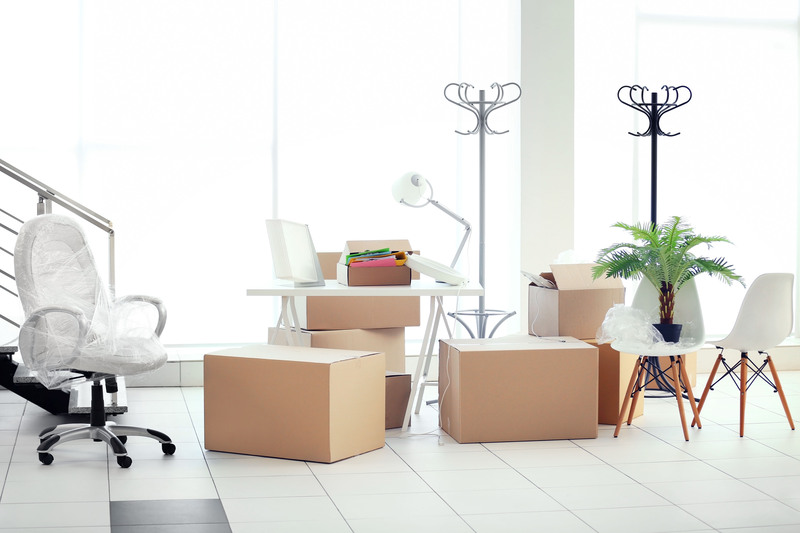
Why Efficient Packing Matters for Your House Move
When it comes to planning your house move, packing isn't just about throwing your possessions in boxes--it's an art. Efficient packing saves you time, money, and headaches. Here's why it matters:
- Reduces damage: Well-packed items are less likely to break or get scratched during transit.
- Makes unpacking easier: Organized boxes help you settle into your new home faster.
- Minimizes moving costs: Fewer boxes and optimal use of space can lower transportation expenses.
- Decreases stress: Packing efficiently means fewer last-minute hassles and lost items.
Step 1: Give Yourself Enough Time
The key to efficiently packing for your move is to start early. Underestimating the time it takes adds unnecessary pressure. Here are realistic timelines for standard homes:
- Studio/1-bedroom: Start 4 weeks ahead
- 2-bedroom: Give yourself at least 6 weeks
- 3-4 bedroom: Begin 8 weeks in advance
By giving yourself time, you can sort, declutter, and pack without chaos.
Step 2: Declutter Before You Pack
Before you begin boxing up your life, take the opportunity to declutter. Mastering the art of efficient packing starts with taking less. Ask yourself:
- Have I used this in the last year?
- Does it have sentimental value?
- Will it fit or suit my new space?
- Is it worth paying to move?
Create three piles: Keep, Donate, and Discard. Consider selling high-value items online or hosting a garage sale.
Bonus Tip: Take photos of sentimental items you can't keep.
Step 3: Gather Quality Packing Supplies
For effective and safe packing for your move, you'll need more than just boxes. Invest in quality because reused or flimsy materials can cause breakage. A good packing kit should include:
- Sturdy boxes in assorted sizes
- Bubble wrap or packing paper for cushioning
- Furniture blankets for heavy items
- Labels and permanent markers for organization
- Packing tape and dispenser for secure sealing
- Ziplock bags for screws or small parts
- Plastic wrap to keep drawers closed
Remember, investing in robust packing supplies protects your belongings and optimizes the moving process.
Step 4: Pack Smartly, Room by Room
One of the most effective packing strategies for your house move is going room by room. This keeps things systematic and simplifies unpacking. Here's how:
- Assign a color or number code to each room.
- Pack similar items together (e.g., books, linens).
- Label boxes on multiple sides for easy identification.
- Keep an inventory list for valuable or fragile items.
Kitchens and Fragile Items
Kitchens take the most time. Wrap breakables with bubble wrap or paper, and place plates vertically for added strength. Fill empty spaces with dish towels.
- Use smaller boxes for heavier items (e.g., canned goods, dishes).
- Bundle cutlery and sharp items in protective cases or towels.
Bedrooms and Wardrobes
Keep clothes on hangers for quick transfer with wardrobe boxes. Use suitcases for shoes and accessories.
- Vacuum storage bags compress bedding and out-of-season clothes.
- Pack jewelry in egg cartons or pill cases to prevent tangling.
Living Room and Electronics
Take a photo of cable setups for easy reassembly. Use original boxes for electronics when possible.
- Protect electronics with anti-static bubble wrap.
- Secure TV screens with moving blankets.
Bathrooms
Seal toiletries in plastic bags to prevent leaks. Discard nearly empty or expired products.
Step 5: The Art of Labeling--Don't Leave It to Chance
Nothing delays a move like unlabeled boxes. Efficient house move packing means detailed labeling. Try these expert tips:
- Use color-coded tape or stickers for each room.
- Mark boxes with contents and destination room.
- Indicate if items are fragile or need special handling.
- Keep a master packing list digitally or on paper.
This organization pays off when unloading and unpacking, sparing you hours of searching.
Step 6: Protect Fragile and Valuable Items
When mastering the art of efficient packing, extra care for fragile and precious belongings is essential.
- Double-wrap glass and ceramics.
- Line boxes with crumpled paper for cushioning.
- Don't overpack boxes to prevent breakage.
- Label as 'Fragile' and indicate which way is up.
- Keep valuables (jewelry, important documents) with you rather than in the moving truck.
Insurance tip: Photograph valuable items and record serial numbers before the move, just in case.
Step 7: Master Your Moving Day Essentials Box
Pack an essentials box for each family member--the first thing you'll need on arrival. This is crucial for efficient house move packing.
- Toiletries (toothbrush, soap, towels)
- Snacks and basic kitchenware (plates, cutlery, coffee maker)
- Medication and first-aid kit
- Chargers and electronics
- Change of clothes and pajamas
- Bedding and pillow
- Pet food and supplies (if applicable)
Place these boxes last on the truck or carry them with you for easy access.
Step 8: Get the Right Help
Efficient packing for your house move runs smoother with assistance. Consider:
- Professional movers: They offer full packing services or fragile-only options.
- Friends and family: Make it fun by ordering pizza and playing music.
- Hire specialists for items like pianos or antiques.
If you plan to use movers, book in advance--especially during peak moving seasons.
Common Packing Mistakes to Avoid
- Leaving packing until the last minute--this leads to chaos and forgotten items.
- Using the wrong box sizes--heavy items in big boxes can break and are hard to carry.
- Not labeling boxes adequately--unpacking becomes a nightmare.
- Overfilling boxes--risks breakage and injury.
- Not protecting fragile items--even short trips can break poorly packed belongings.
Advanced Tips for Mastering Efficient Packing
Take your packing efficiency for your house move to the next level:
- Disassemble furniture when possible; keep screws and parts in labeled bags attached to the main piece.
- Take photos during disassembly to aid reassembly.
- Use suitcases, laundry bins, and baskets--these carry more than just clothes!
- Fill every gap with soft items (towels, socks) to maximize space and prevent movement.
- Keep a moving folder with contracts, receipts, and utility information handy.
- Set aside cleaning supplies--you'll need them at both ends of the move.
- Let movers know what's fragile and what's high-priority in advance.
The Environmental Side: Eco-Friendly Packing
Be kind to the planet as you plan your packing strategy for your house move. Here's how:
- Choose recycled boxes or rent plastic bins from moving companies.
- Use linens, towels, and clothing as padding instead of bubble wrap.
- Recycle or donate unused items instead of sending them to landfill.
- Be thoughtful with tape and wrappers--choose biodegradable options where possible.
Checklist: Your Efficient Packing Plan for a House Move
- Set your moving date and create a countdown schedule.
- Gather packing materials and supplies.
- Sort and declutter each room.
- Label boxes clearly and keep an inventory.
- Pack heavy items in small boxes, light items in big boxes.
- Protect breakables with proper wrapping and strategic placement.
- Disassemble and prepare furniture for safe transit.
- Prepare an essentials box for moving day.
- Arrange for professional help or enlist friends in advance.
- Double-check all rooms before moving day for forgotten items.
Frequently Asked Questions About Efficient House Move Packing
How do I estimate how many boxes I'll need for my move?
A general rule is 10-12 small boxes, 8-10 medium, and 5 large for each room in your home. But it depends on how much you own. Overestimate a little to avoid last-minute rushes.
Should I use professional packers or DIY?
If you have valuable, fragile, or a large amount of belongings, professional packers can save time and decrease stress. However, DIY packing for your house move is economical and gives you complete control.
What shouldn't I pack in the moving truck?
Keep essentials, chemicals, perishables, pets, and valuables with you. Movers often have a "do not pack" list--check before packing.
How early should I start packing before my move?
Begin packing seldom-used items as soon as your move is confirmed, and work consistently to avoid last-minute rush.
Conclusion: Mastering the Art of Efficient Packing for Your House Move
By mastering efficient packing strategies for your move, you'll transform one of life's most stressful events into a manageable, even gratifying, process. Start early, declutter, invest in good supplies, and follow a well-thought-out plan. Not only will your belongings reach their destination intact, but you'll also transition into your new home with a renewed sense of order and calm.
Are you ready to become a packing master for your next house move? With these comprehensive tips, you're well on your way to moving day success!